Aug. 24, 2026
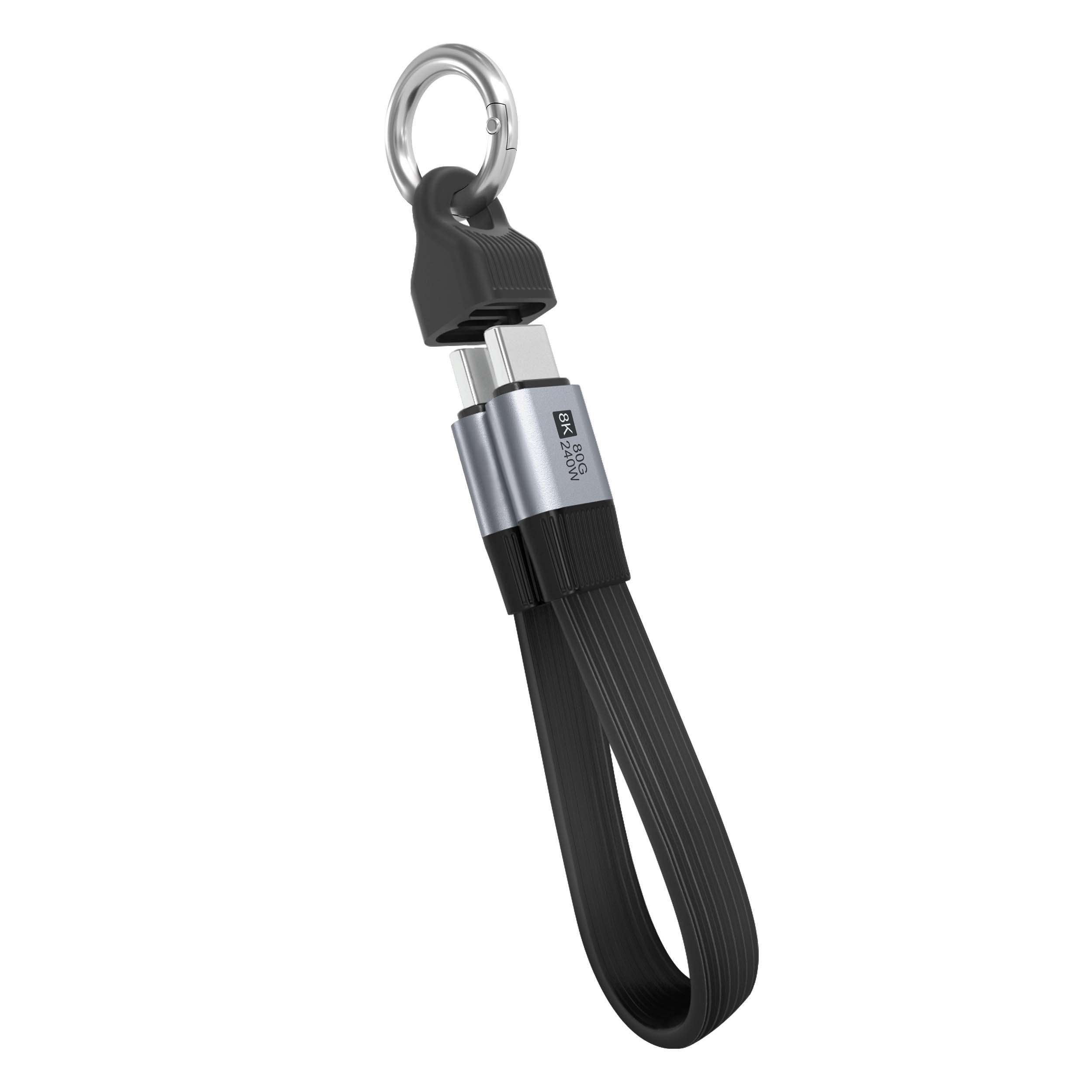
When considering the deployment of network infrastructure, particularly in high-demand environments such as data centers and multimedia production, understanding the various options available is paramount. Pain points often include bandwidth limitations, signal degradation over distances, and the need for rugged connectivity solutions. Active Optical Cables (AOCs) provide a compelling option, promising enhanced performance and durability. LENSHUO's offerings in this space specifically address these issues, leading to optimized setups that excel in both efficiency and resilience. As organizations seek ways to manage escalating data traffic and ensure seamless connectivity, a comprehensive evaluation of AOCs like those from LENSHUO becomes critical.
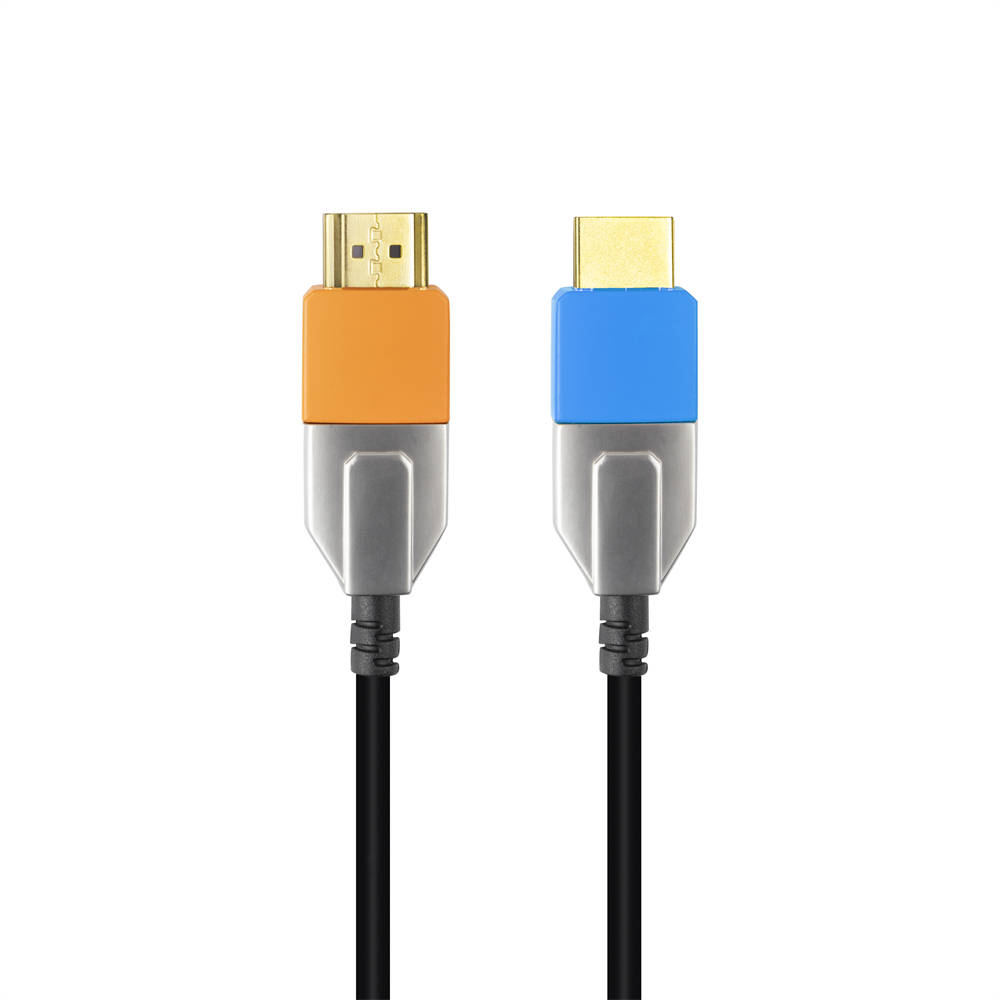
Active Optical Cables present multiple advantages that make them an attractive choice for high-bandwidth applications. One of the standout features is their impressive transmission distance. While traditional copper cables typically extend up to 100 meters, AOCs can reach distances of up to 300 meters without significant signal degradation. This is particularly beneficial in situations where space constraints or layout requirements necessitate longer runs without the need for additional repeaters.
Moreover, Active Optical Cables boast a reduced latency of approximately 2.5 microseconds – significantly faster than conventional fiber solutions. Several case studies have shown that companies utilizing AOCs experienced an increase in system throughput by as much as 37%, which translates to smoother operations and higher productivity. Additionally, LENSHUO's AOCs are designed to support data rates up to 100 Gbps, making them suitable for modern data transmission needs.
Finally, AOCs are inherently lighter and easier to manage than traditional fiber optic cables, reducing the labor costs associated with installation and maintenance. For instance, an enterprise switching from copper to LENSHUO AOCs for their data linking needs reported a 25% decrease in installation times, thus allowing for quicker project completions and reduced downtime.
While the benefits of Active Optical Cables are substantial, there are also some drawbacks worth considering. A main concern is their higher initial cost compared to traditional copper cabling. Organizations may face an upfront investment that ranges from 20% to 40% more, which could be a limiting factor for smaller enterprises or budget-constrained projects. Therefore, businesses should carefully assess whether the long-term performance benefits justify the initial expenditure.
Additionally, AOCs require more specialized connectors and equipment, which can complicate integration with existing infrastructure. This necessitates an assessment of compatibility with current networking devices to ensure seamless operation. Users may want to conduct a compatibility audit before making substantial investments. Finally, while AOCs are designed for flexibility and durability, they are still susceptible to certain environmental conditions, such as exceedingly high temperatures, which could affect performance.
In deciding whether to invest in Active Optical Cables, businesses must evaluate their specific networking needs and long-term goals. For organizations with high data throughput requirements and spaces that demand flexible installation configurations, AOCs can offer significant value, especially given their capacity to improve performance metrics. On the other hand, those with limited budgets or less demanding network needs may find traditional copper cables more suitable.
Active Optical Cables are recommended for high-performance environments, including data centers, video production studios, and enterprise IT infrastructures focusing on speed and reliability. Organizations with growth projections that foresee increased data demand over time should consider investing in this technology. For cost-sensitive users or those with standard network configurations, traditional cabling might still remain the best option.
Active Optical Cables can reach distances of up to 300 meters, significantly outperforming conventional copper solutions.
Typically, AOCs might be 20% to 40% more expensive initially, but the performance benefits can justify the investment in high-demand scenarios.
While AOCs are designed for durability, they may not be suited for all outdoor conditions, especially environments with extreme temperatures.
Give Us A Call
+86 136 6270 0743
Send Us A Message
Official Location
Shipai Town, Dongguan City, Guangdong, China

As source factory, we have the most strict requirements on quality and service. We can video the production process for clients and provide free samples for quality testing.
Navigation
Products
Media Center