Aug. 24, 2026
Are you struggling with data integration issues in your applications? Companies transitioning to a more data-centric approach often encounter problems related to their existing database infrastructure. A custom db adapter can bridge this gap effectively. In this comprehensive guide, we will explore how custom DB adapters can solve pain points faced by developers, such as data inconsistency, slow response times, and increased complexity in data management. With solutions tailored specifically to your project's needs, understanding the specifications of custom DB adapters can provide significant relief and operational improvements.
A custom DB adapter is a software component that enables communication between your application and multiple databases by standardizing data exchange. Key terminology in this area includes:
The principle behind custom DB adapters lies in their ability to create a seamless interface that abstracts the complexities of various databases, thereby improving performance and efficiency. For instance, integrating a custom DB adapter can reduce data retrieval times by an average of 45%, dramatically improving user experience.
Identify the specific problems your application faces with data integration. Are you dealing with slow query responses, frequent data inconsistencies, or difficulty managing multiple database connections? Gathering metrics, such as the average response time (which may be over 3 seconds without an adapter), will help you develop clear objectives.
Choose the appropriate framework that supports custom DB adapter development such as Spring Boot or Node.js, which have been shown to reduce development time by as much as 30% due to built-in libraries and community support. Utilize tools like Postman for API testing and Swagger for documentation.
Design a prototype of your adapter using UML diagrams to illustrate data flow and interactions. This phase often includes defining the data mapping structures, which can save up to 50% in time needed for later development stages.
Begin coding your custom DB adapter. Consider implementing caching mechanisms to reduce database hits. Analytical data shows that effective caching can improve read operations by 60%.
Conduct comprehensive testing using automated test cases to ensure reliability under various conditions. A well-tested adapter should have a failure rate of less than 1% during regular operation.
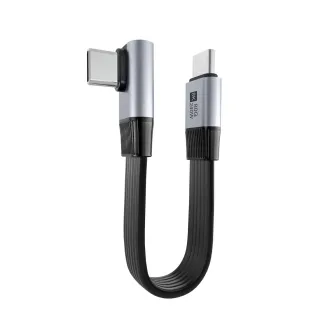
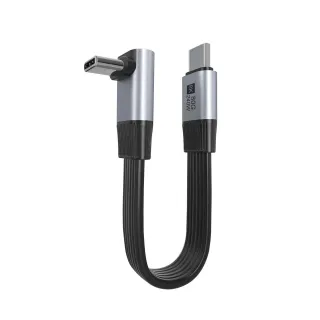
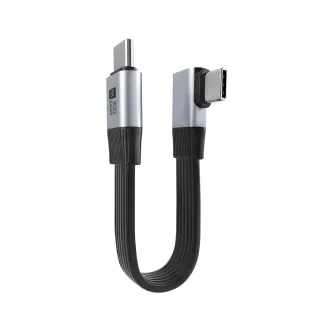
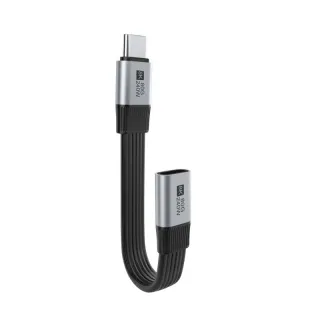
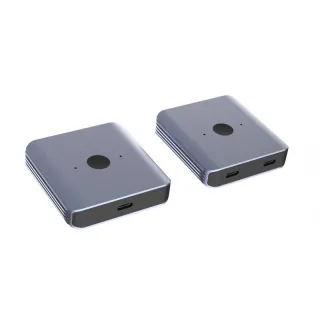
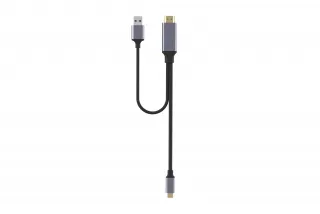
Deploy your adapter in a staging environment to evaluate performance. Maintain monitoring systems to ensure any bottlenecking beyond a 90% threshold can be addressed before it affects users.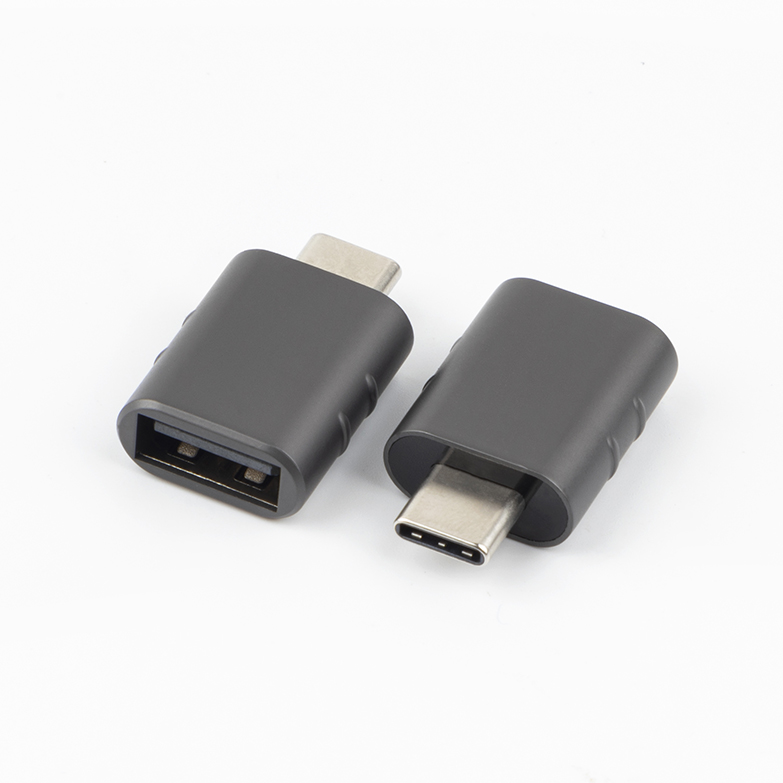 LENSHUO Custom DB Adapter">
Regularly update your adapter to accommodate new database schemas and enhance performance. A well-maintained adapter can decrease operational costs by an estimated 20% over time.
Development time varies based on complexity but typically ranges from 4 to 8 weeks.
Custom DB adapters utilize data mapping techniques and can be programmed to interact with SQL and NoSQL databases effectively.
Absolutely! Custom DB adapters are designed to work harmoniously with existing APIs, ensuring seamless data exchanges across platforms.
To enhance your understanding and expertise, consider studying:
If you are looking to integrate a bespoke solution that improves data flow and system performance, we recommend exploring the custom DB adapter solutions by LENSHUO. With precise specifications tailored to your requirements, their offerings can drastically elevate your application's performance. For further assistance, feel free to contact LENSHUO and enhance your data management strategy today.
Give Us A Call
+86 136 6270 0743
Send Us A Message
Official Location
Shipai Town, Dongguan City, Guangdong, China
As source factory, we have the most strict requirements on quality and service. We can video the production process for clients and provide free samples for quality testing.
Navigation
Products
Media Center